
Gynecology
Colposcopy in Daugavpils - detailed cervical examination
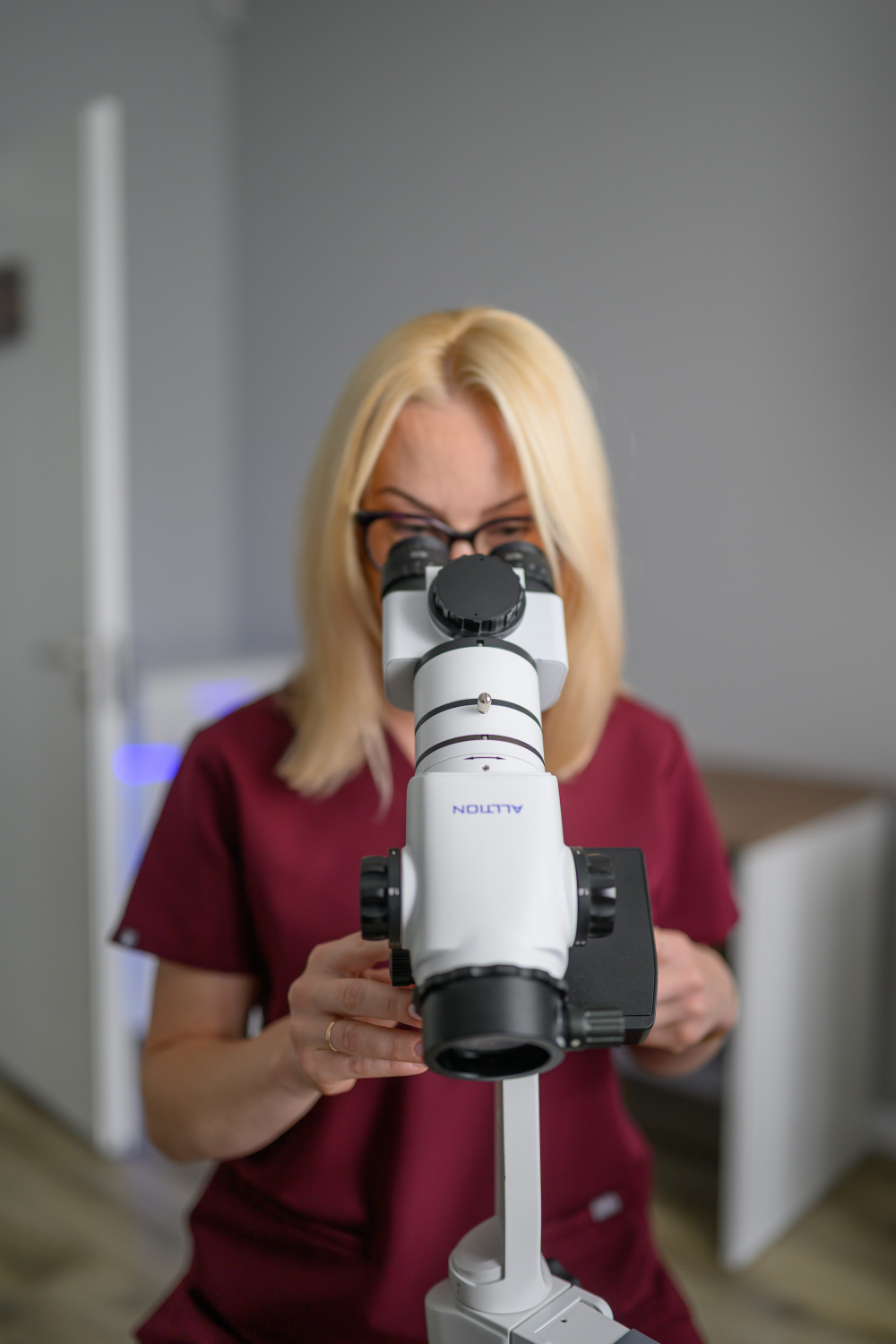
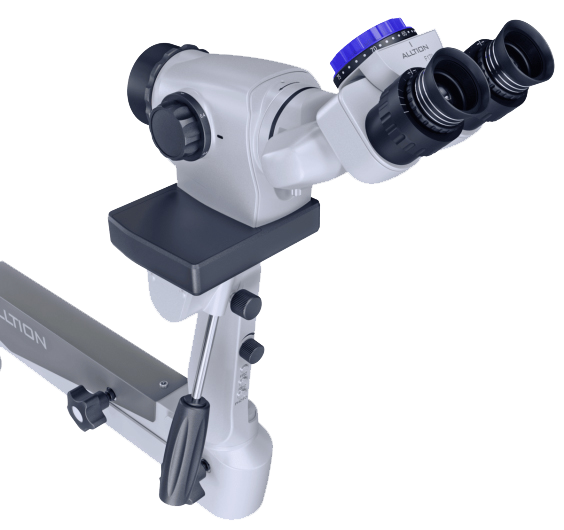
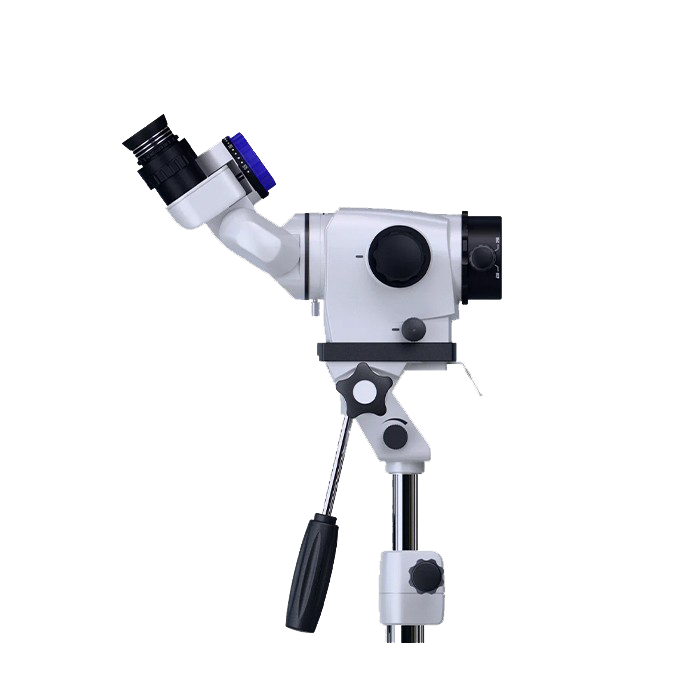
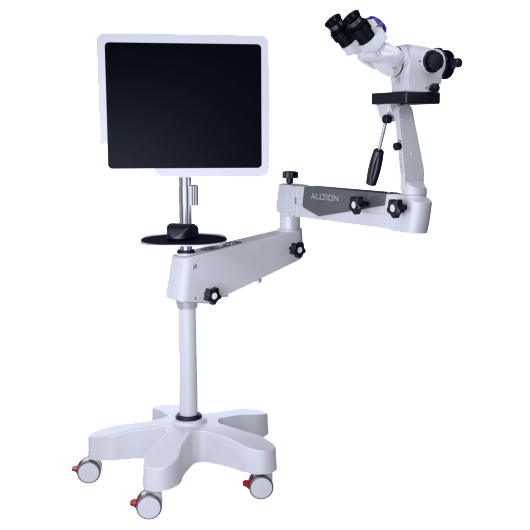
Colposcopy is an in-depth examination of the cervix and vagina using a special optical device – a colposcope. If necessary, the mucous membrane of the external genitalia can also be evaluated during the examination.
Colposcopy allows for a careful evaluation of the cervical mucosa under magnification and the detection of changes that are not always visible during a standard gynecological examination.
At Urogin Clinic, colposcopy is performed by a certified colposcopy specialist. If necessary, a targeted biopsy can be performed during the examination, and after evaluating the test results, a cervical excision can also be carried out.
When is a colposcopy necessary?
Changes in cervical cytology
If changes are detected in the cervical cytological examination, an in-depth evaluation of the cervix is required.
High-risk human papillomavirus (HPV) infection
If high-risk human papillomavirus (HPV) is detected and colposcopy is required according to the test results.
Suspicious changes during a gynecological examination
If the doctor detects any changes in the cervix or vaginal mucosa during the examination that need to be evaluated more precisely and in detail.
Monitoring of previously detected changes
Colposcopy is necessary to monitor previously detected cervical changes or to evaluate the cervix after treatment has been performed.
Cervical cancer and screening
The development of cervical cancer is most often associated with long-term high-risk human papillomavirus (HPV) infection. Precancerous changes and early-stage cervical cancer often do not cause any symptoms, which is why regular preventive check-ups are essential.
Latvia has a state-organized cervical cancer screening program for women aged 25 to 70. For women aged 25 to 29, the screening examination is performed every three years, while for those aged 30 to 70, it is performed every five years. Between the ages of 25 and 29, the primary screening method is the examination of cervical cells, but from the age of 30, it is the detection of high-risk HPV.
If certain changes are detected in the screening results, a colposcopy may be required for further diagnosis.
Colposcopy does not replace cervical cancer screening – it is an in-depth diagnostic method performed in the event of specific screening results or other medical indications.
At Urogin Clinic, colposcopy and other clinic services are provided for a fee.

How to prepare for a colposcopy?
Choose a suitable time for the visit
It is advisable to schedule the colposcopy examination during a period when the patient does not have heavy menstrual bleeding to ensure more accurate results.
Inform the doctor
Inform the doctor if you are pregnant or if there is a possibility of pregnancy, as well as about any medications used and previously performed cervical manipulations or treatments.
Before the examination
If possible, it is advisable not to use vaginal medications or other intravaginal products 24–48 hours before the colposcopy, unless otherwise directed by the doctor.
Bring previous test results with you
If the examinations were performed at another clinic, it is advisable to bring previous cytology, HPV, colposcopy, and histology results.
How is a colposcopy performed?

1. Gynecological examination
A gynecological speculum is inserted into the vagina so that the doctor can examine the cervix.

2. Examination under magnification
The colposcope is located outside the patient's body. With its help, the doctor carefully evaluates the cervical mucosa under magnification.

3. Use of special diagnostic solutions
The surface of the cervix is treated with special solutions that help to see and evaluate altered areas of the mucosa more accurately.

4. Targeted biopsy, if necessary
If a suspicious area is detected during the colposcopy, the doctor may take a small tissue sample, or biopsy. The obtained material is sent for histological examination.
After the colposcopy
If only a colposcopy was performed without a biopsy, it is usually possible to return to your normal daily routine immediately.
If a biopsy was performed, slight bloody or brownish discharge and minor discomfort may occur after the procedure. The doctor will provide individual recommendations for further action.
The biopsy material is sent for histological examination. Further monitoring or treatment is planned according to the results of the examination.
Cervical excision
If the results of colposcopy, cytology, and histological examination indicate precancerous changes in the cervix, surgical treatment of the altered tissue – cervical excision – may be necessary in certain cases.
During the excision, the altered tissue area of the cervical transformation zone is removed using an electrosurgical loop. This procedure is often referred to by the abbreviation LLETZ (Large Loop Excision of the Transformation Zone) or LEEP.
The removed tissue material is sent for histological examination, which allows for the clarification of the nature of the detected changes and the evaluation of the excision margins.
When is a cervical excision necessary?
The decision on the necessity of excision is made by the doctor individually, taking into account:
- colposcopy findings;
- cytology results;
- HPV test results;
- biopsy and histological examination results;
- the patient's age, medical history, and other clinical factors.
Cervical excision is performed only after an evaluation of medical indications and a prior consultation with a specialist.
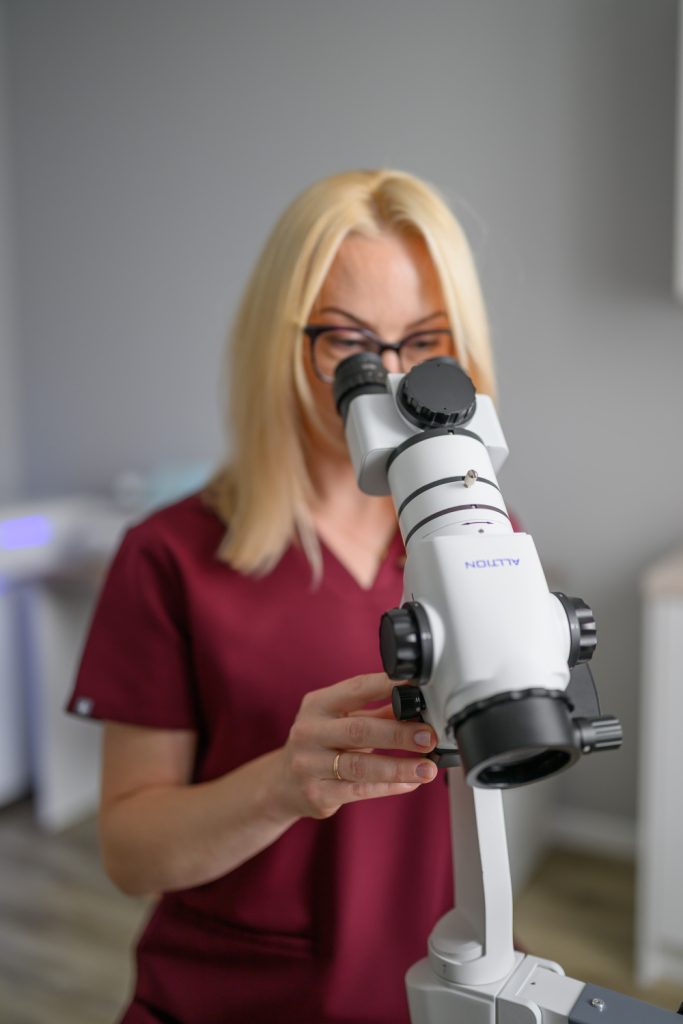
Colposcopy is performed by Dr. Alla Aleksandrova
Dr. Alla Aleksandrova performs colposcopy and related diagnostic and therapeutic procedures, including targeted cervical biopsy and, if there are medical indications, cervical excision.
Before the examination, the doctor evaluates the patient’s complaints, cytology and HPV test results, as well as data from previously performed examinations. Experience in gynecology and colposcopy allows for a thorough and individual approach, explaining the examination results and providing recommendations for further monitoring or treatment.
Main areas of activity:
- Gynecological ultrasonography
- Gynecological procedures
- Diagnosis and Treatment of Gynecological Diseases
- Gynecologist consultations
- Female Reproductive Health
- Pregnancy Planning
- Pregnancy Consultations
- Obstetric ultrasonography
- Initial evaluation of difficulties with conception
- Diagnosis and Treatment of Urinary Incontinence in Women
- Evaluation of Indications for Surgical Treatment
- Experience in Laparoscopic Gynecological Surgery
Frequently Asked Questions
Is colposcopy painful?
The colposcopy itself is usually not painful and feels similar to a standard gynecological examination. During a biopsy, temporary discomfort or slight pain is possible.
How long does a colposcopy take?
The examination usually lasts about 15–30 minutes, depending on the required examination and the scope of the manipulations.
Is a biopsy always performed during a colposcopy?
No. A biopsy is performed only if the doctor detects changes during the colposcopy that require histological examination.
Can a colposcopy be performed during pregnancy?
In certain situations, colposcopy can also be performed during pregnancy. The doctor decides on the necessity and scope of the examination individually.
Is a referral necessary for a colposcopy?
A referral is not required for a paid visit to Urogin Clinic. If a colposcopy is recommended after previous examinations, it is advisable to bring their results with you.
What does a biopsy mean?
A biopsy is the taking of a small tissue sample from the altered area of the cervix. The sample is examined in a laboratory to accurately determine the nature of the detected tissue changes.
Is an excision always necessary after a colposcopy?
No. In most cases, a colposcopy does not mean that an excision will be necessary. The need for treatment is determined according to the results of the colposcopy, biopsy, and other examinations.
What is the difference between a biopsy and an excision?
During a biopsy, a small tissue sample is taken for diagnostic purposes. Excision is a therapeutic procedure during which the altered tissue area of the cervix is removed, while simultaneously obtaining material for a full histological examination.


