GYNECOLOGY
Breast ultrasound in Daugavpils
Breast ultrasound is an examination to evaluate the structure of the mammary gland tissue and potential changes. At Urogin Clinic in Daugavpils, breast ultrasound is performed in case of complaints, to monitor previously detected changes, and to evaluate breast health.
Ultrasound allows for the evaluation of breast tissue, cysts, solid masses, milk ducts, and other changes detectable by ultrasound. The examination does not use ionizing radiation.

Individual approach
The examination is performed taking into account the patient's complaints, age, test results, and the purpose of the examination.

BI-RADS assessment
Ultrasound findings are described by indicating the BI-RADS assessment and further recommendations.

Palpable mass
Breast ultrasound does not use ionizing radiation, and the examination is usually painless.

When is gynecological ultrasound necessary?

Palpable mass
A palpable mass, thickening, or other previously unnoticed change in the breast.

Pain or discomfort
Pain, sensitivity, or discomfort in one or both breasts.

Changes in the breast
Changes in the structure or shape of breast tissue, as well as nipple discharge.

Monitoring of previously detected changes
Evaluation of previously detected cysts, masses, or other breast tissue changes over time.

Breast ultrasonography

UroGin Clinic, Raiņa 26b, Daugavpils, LV-5401, Latvia

What can be evaluated during a breast ultrasound?

Cysts
Ultrasound helps to distinguish fluid-filled cysts from other types of masses and to evaluate their characteristics.

Solid masses
The shape, size, contours, structure, and other ultrasound features of the detected masses are evaluated.

Breast tissue structure
The doctor evaluates the structure of the mammary gland tissue and pays attention to local or other changes detectable by ultrasound.

Milk ducts and other changes
If necessary, changes in the milk ducts, signs of inflammation, and other changes in the breast tissue detectable by ultrasound are evaluated.

How is the examination performed?

Consultation and Indication Assessment
The doctor clarifies the patient's complaints, previously detected breast changes, performed examinations, and the reason for the ultrasound.

Performing the Ultrasound
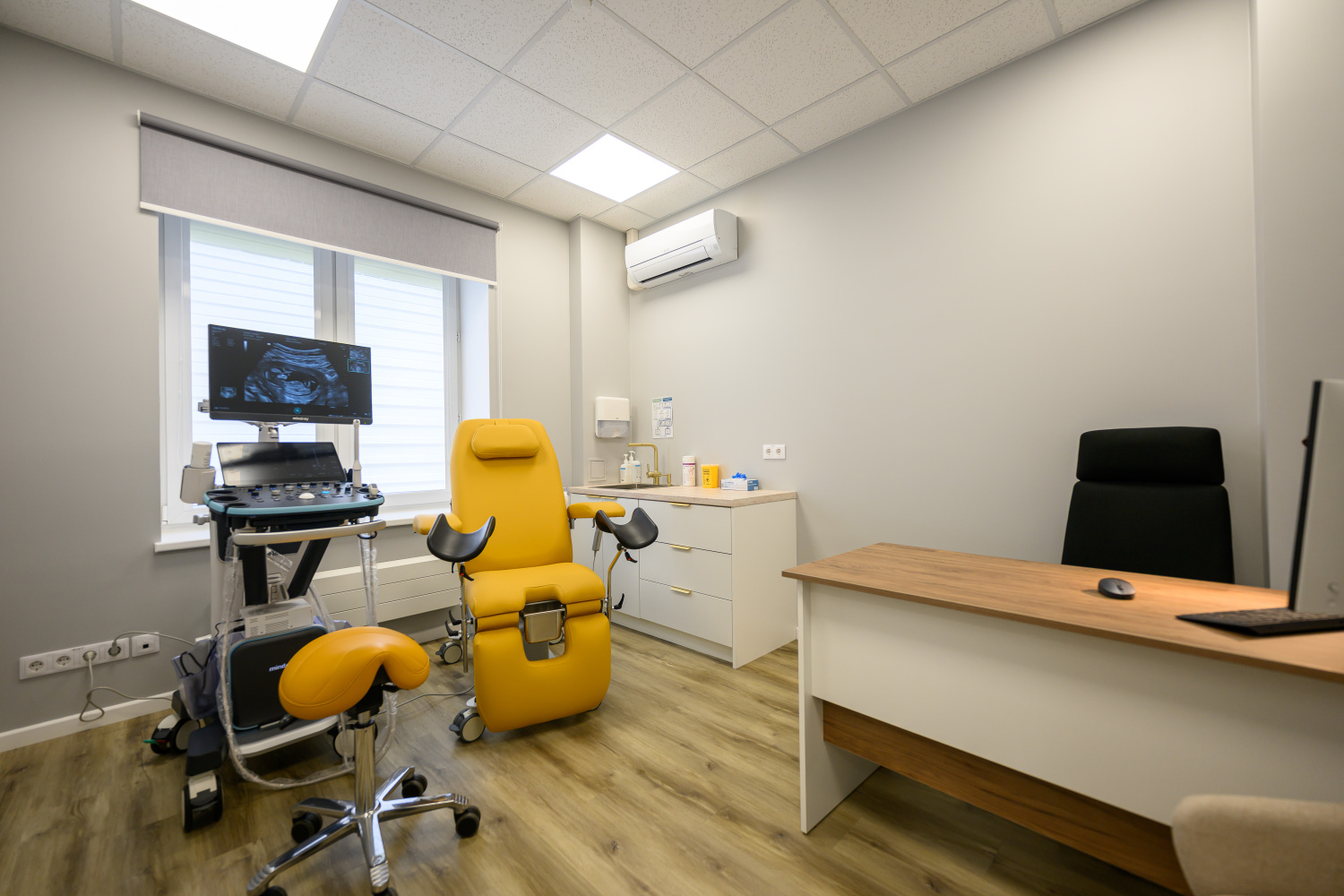
The patient is placed in a lying position. Ultrasound gel is applied to the skin, and the mammary gland tissue is systematically evaluated with an ultrasound probe.

Finding Assessment
The doctor evaluates the breast tissue, the dynamics of detected changes, and compares the findings with previous examination results.

BI-RADS and further strategy
After the examination, the doctor prepares a conclusion with a BI-RADS assessment and recommendations for further action or consultation.

How to prepare for a breast ultrasound?
No special preparation is required for a breast ultrasound.
The examination can be performed on any day of the menstrual cycle. If the breasts are significantly sensitive or painful before menstruation, it may be more comfortable for the patient to choose a different period of the cycle.
It is recommended to bring the results and images of previously performed breast ultrasound, mammography, magnetic resonance imaging, or other breast examinations, if available.
Comparing previous examinations can be important when evaluating changes over time.
When are additional examinations necessary?
Breast ultrasound is one of the breast examination methods. Depending on the patient’s age, complaints, individual risk factors, and ultrasound findings, additional diagnostics may be required.
If changes requiring further evaluation are detected during the ultrasound, the doctor may recommend:
- mammography;
- magnetic resonance imaging;
- follow-up ultrasound;
- consultation with an appropriate specialist;
- morphological examination of tissue, if medically necessary.
Breast ultrasound does not replace mammography in situations where it is indicated according to the patient’s age, individual risk, or findings.
Mammography is not performed at Urogin Clinic. If it is necessary, the doctor recommends performing the examination at an appropriate medical institution.
Ultrasound examinations are performed by Dr. Alla Aleksandrova
Dr. Alla Aleksandrova performs breast ultrasound examinations to evaluate the mammary glands and surrounding tissues. During the examination, the doctor assesses the structure of the breast tissue, checks the area of complaint, and evaluates the ultrasound features of any detected changes.
The doctor takes into account the patient’s complaints, age, health status, and previous examination results. The findings are described by indicating the BI-RADS assessment. If necessary, the doctor recommends a follow-up examination, additional diagnostic imaging, or a consultation with an appropriate specialist.
Main areas of activity:
- Gynecological Ultrasonography
- Obstetric ultrasonography
- Gynecologist consultations
- Diagnosis and Treatment of Gynecological Diseases
- Female Reproductive Health
- Pregnancy Consultations
- Gynecological procedures
- Pregnancy Planning
- Initial evaluation of difficulties with conception
- Diagnosis and Treatment of Urinary Incontinence in Women
- Evaluation of Indications for Surgical Treatment
- Experience in Laparoscopic Gynecological Surgery
Frequently Asked Questions
Is it possible to have a breast ultrasound without a gynecologist's consultation?
Yes. Breast ultrasound can be performed as a separate paid examination. If changes are detected during the examination, the doctor may recommend further diagnostics or a consultation with an appropriate specialist.
Is breast ultrasound painful?
Usually, the examination is not painful. If the breast is sensitive or painful, the pressure of the probe in certain areas may cause slight discomfort.
Can a breast ultrasound be performed during menstruation?
Yes. The examination can be performed on any day of the menstrual cycle. If the breasts are significantly sensitive before menstruation, it may be more comfortable for the patient to choose a different period of the cycle.
What is BI-RADS?
BI-RADS (Breast Imaging Reporting and Data System) is a standardized system for assessing breast examination findings. It helps to characterize detected changes in a structured way and determine further recommendations.
Does breast ultrasound replace mammography?
Not always. Ultrasound and mammography are different examination methods that complement each other in certain situations. The need for mammography depends on the patient’s age, complaints, risk factors, and findings.
Mammography is not performed at Urogin Clinic.
What to do if suspicious changes are found during an ultrasound?
The doctor evaluates the ultrasound findings and BI-RADS assessment and recommends appropriate further diagnostics. Depending on the findings, additional diagnostic imaging, a specialist consultation, or morphological examination of tissue may be necessary.