
GYNECOLOGY • WOMEN'S HEALTH
Gynecological Endocrinology in Daugavpils
Diagnosis and treatment of menstrual cycle disorders, hormonal changes, polycystic ovary syndrome (PCOS), hirsutism, menopause symptoms, and metabolic issues related to reproductive health.
A woman’s hormonal health is closely linked to the menstrual cycle, fertility, sexual function, and well-being at various stages of life.
Hormonal regulation disorders can manifest as irregular periods, increased body hair, acne, thinning hair, changes in sexual desire, or menopause symptoms.
UROGIN CLINIC offers gynecological consultations, targeted diagnostics of hormonal disorders, and an individual treatment approach, taking into account the patient’s health status and reproductive plans.
KEY ADVANTAGES

Individual approach
Evaluation of hormonal and reproductive health, considering the patient's symptoms, age, health status, and life stage.

Modern diagnostics
Gynecological ultrasonography and targeted hormonal and metabolic examinations according to the patient's complaints and clinical situation.

Appropriate treatment
Individual treatment approach, taking into account the identified disorders, indications, risks, and the patient's reproductive plans.

WHEN IS A CONSULTATION NECESSARY?
A gynecologist’s consultation is recommended if you observe changes in the menstrual cycle, increased body hair, acne, decreased sexual desire, menopause symptoms, or metabolic problems related to reproductive health.
Menstrual cycle and ovulation disorders
Irregular, infrequent, or absent periods, ovulation disorders, severe premenstrual symptoms, and difficulty conceiving.
PCOS and hyperandrogenism
Increased body hair (hirsutism), acne, thinning hair, menstrual cycle disorders, and other possible signs of increased androgen activity.
Menopause and sexual health
Hot flashes, sleep disturbances, vaginal dryness, discomfort during intercourse, or decreased sexual desire at various stages of life.
Excess weight and metabolic disorders
Patient overweight, obesity, insulin resistance, and metabolic risks, especially in relation to PCOS or reproductive health disorders.
The cause of menstrual cycle disorders and other symptoms can also be hyperprolactinemia, thyroid dysfunction, premature ovarian insufficiency (POI), or other hormonal disorders.
The specific cause is determined after an individual clinical evaluation.
Gynecologist consultation
Gynecologist consultation - €65
Gynecologist consultation with gynecological USG - €95

UroGin Clinic, Raiņa 26b, Daugavpils, LV-5401, Latvia

How does the consultation proceed?
During the consultation, the patient’s complaints, possible causes of hormonal disorders, and necessary examinations are evaluated. The scope of diagnostics and treatment is tailored individually.

Evaluation of complaints and medical history
The doctor identifies symptoms, menstrual cycle characteristics, previous illnesses, medications used, and the patient's reproductive plans.
Gynecological examination of the patient
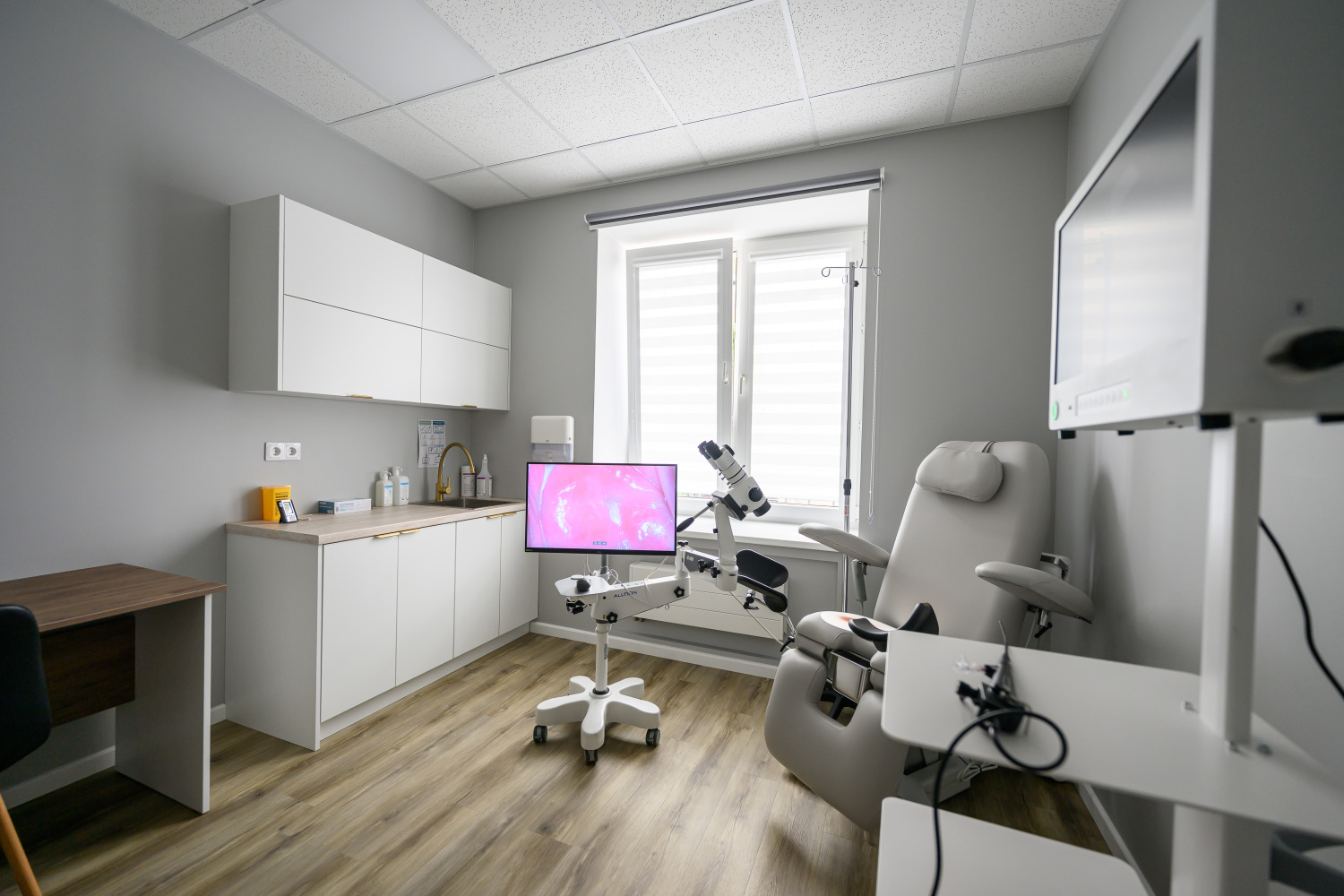
According to indications, a gynecological examination and ultrasonography are performed, evaluating the health of the uterus, ovaries, and reproductive system.

Additional examinations and diagnostics
If necessary, targeted hormonal, metabolic, and other laboratory tests are ordered, taking into account symptoms and the clinical situation.

Individual treatment plan and approach
Based on the examination results, appropriate treatment is selected, recommendations are provided, and a further follow-up approach is determined.
How to prepare for a consultation?
Special preparation for the first consultation is usually not necessary.
In order for the doctor to fully evaluate your health status, it is recommended to:
- Remember the date of your last period and the characteristics of your menstrual cycle.
- Gather information about symptoms, their duration, and any changes.
- Prepare a list of medications and dietary supplements used.
- Bring along the results of previously performed examinations.
If previous examinations have not been performed, the doctor will assess their necessity during the consultation.
DOCUMENTS AND INFORMATION TO BRING
It is not necessary to independently perform an extensive panel of hormone tests before the first consultation.
The doctor will determine the necessary examinations and the most appropriate time to perform them.
- Results of previous hormonal and laboratory tests.
- Reports from gynecological ultrasonography and other examinations.
- Information about previous treatment and medications used.
If previous examinations have not been performed, the doctor will assess their necessity during the consultation.
RESULTS AND FURTHER ACTION
What does the patient receive after the visit?
- An evaluation of health status and possible hormonal disorders.
- Recommendations for necessary examinations and treatment.
- An individual treatment and follow-up plan.
Depending on the clinical situation, additional examinations, a follow-up consultation, or the involvement of another specialist may be required.
Excess weight and pharmacological treatment options
Excess weight and obesity can affect the menstrual cycle, ovulation, and reproductive health, especially in women with polycystic ovary syndrome (PCOS).
Weight gain is not always a consequence of hormonal disorders, so it is important to evaluate possible causes and health risks associated with excess weight.
Modern obesity treatment includes lifestyle correction and, in certain cases, pharmacological therapy.
PHARMACOLOGICAL WEIGHT REDUCTION CAN BE CONSIDERED FOR PATIENTS WITH:
- Obesity — body mass index (BMI) ≥30 kg/m².
- Excess weight — BMI ≥27 kg/m², if there is at least one weight-related illness and the conditions for using the specific medication are met.
Such illnesses may include prediabetes, type 2 diabetes, arterial hypertension, and dyslipidemia.
During the consultation, the possible link between weight changes and reproductive health disorders is evaluated, as well as the need for additional examinations and treatment.
If pharmacological therapy is appropriate, its indications, contraindications, possible side effects, and the patient’s pregnancy plans are taken into account.
PCOS or menopause itself is not an indication for pharmacological weight reduction.
RELATED SERVICES

Gynecological Endocrinology
Evaluation of women's reproductive health, diagnosis, and treatment of gynecological diseases at various stages of life.

Gynecological Ultrasonography
Ultrasonographic examination of the uterus, ovaries, and pelvic organs for the diagnosis of gynecological diseases.
Infertility Diagnostics
Evaluation of possible causes of fertility disorders and planning of necessary examinations.
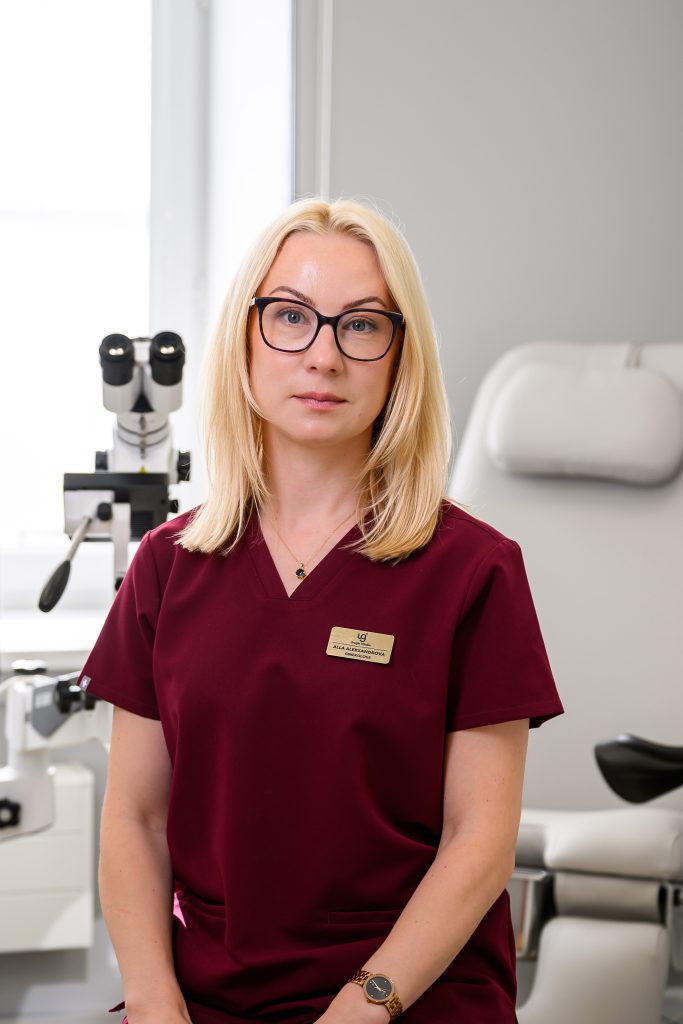
Consultation performed by gynecologist, obstetrician Dr. Alla Aleksandrova
Dr. Alla Aleksandrova consults women at various stages of life, performs diagnostics and treatment of gynecological diseases, and evaluates hormonal disorders related to reproductive health.
Consultations focus on menstrual cycle and ovulation disorders, polycystic ovary syndrome, signs of hyperandrogenism, menopause symptoms, and sexual health problems related to hormonal changes.
The treatment approach is selected individually, collaborating with doctors of other specialties if necessary.
- Menstrual cycle, ovulation, and fertility disorders.
- Polycystic ovary syndrome (PCOS).
- Hirsutism, acne, and hyperandrogenism.
- Evaluation of hyperprolactinemia and ovarian function disorders.
- Perimenopause, menopause, and premature ovarian insufficiency.
- Premenstrual symptoms (PMS/PMDD).
- Decreased sexual desire (libido) and related complaints.
- Metabolic disorders related to reproductive health.
- Choice of hormonal contraception.
- Gynecological ultrasonography.
Frequently Asked Questions
What is hirsutism, and does it always indicate hormonal disorders?
Hirsutism is the excessive growth of coarse, pigmented hair in women in androgen-dependent areas, such as the face, chest, or abdomen.
One of the most common causes of hirsutism is polycystic ovary syndrome (PCOS), but increased body hair can also occur for other reasons.
Hyperandrogenism can also manifest as acne and thinning hair, although these symptoms can have other causes.
During diagnostics, the doctor evaluates the nature of the symptoms, menstrual cycle characteristics, and the need for hormonal examinations.
Rapidly progressing hair growth or other signs of virilization require timely medical evaluation.
Why do periods become irregular or stop?
Menstrual cycle disorders can have various causes.
They can be related to PCOS, ovulation disorders, significant weight changes, stress, thyroid dysfunction, hyperprolactinemia, or changes in ovarian function.
In case of absent periods during reproductive age, pregnancy must first be ruled out.
The doctor evaluates the complaints, the patient’s age, and health status, ordering additional examinations if necessary.
What is premature ovarian insufficiency (POI)?
Premature ovarian insufficiency is a disorder of ovarian function that develops before the age of 40.
It can manifest as irregular or absent periods, hot flashes, vaginal dryness, and difficulty conceiving.
Clinical evaluation and appropriate laboratory tests are required for diagnosis.
Timely diagnosis is important not only for reproductive health but also for maintaining bone and cardiovascular health.
Is pharmacological weight reduction possible for a woman with PCOS?
Yes, in certain cases.
In women with PCOS, excess weight and obesity can exacerbate metabolic disorders and negatively affect ovulation.
If there are appropriate medical indications, pharmacological weight reduction options can be evaluated.
Treatment is selected according to the conditions for using the specific medication, the patient’s health status, and reproductive plans.
A PCOS diagnosis itself is not a sufficient indication for pharmacological weight reduction.
Can menopause symptoms be treated with hormones?
Yes.
Menopausal hormone therapy can help reduce hot flashes, sweating, sleep disturbances, and other symptoms associated with estrogen deficiency.
The suitability of treatment is evaluated individually, taking into account the patient’s age, health status, risk factors, and contraindications.
Not all women require or are suitable for menopausal hormone therapy.
Why do women experience a decrease in sexual desire (libido)?
A decrease in sexual desire can occur at various stages of life and does not always have a hormonal cause.
Libido can be affected by hormonal changes during perimenopause and menopause, stress, fatigue, sleep disturbances, medication use, psychological, and relationship factors.
Sexual desire can also be affected by vaginal dryness, pain during intercourse, and other gynecological problems.
If the decrease in sexual desire is prolonged and causes discomfort, its causes and the most appropriate treatment options can be evaluated during a gynecological consultation.
Reduced libido itself does not mean a hormone deficiency, and hormone therapy is not necessary for all patients.
Does severe PMS or PMDD mean hormonal disorders?
Not always.
Premenstrual syndrome (PMS) and premenstrual dysphoric disorder (PMDD) can be related to increased sensitivity to normal hormonal fluctuations during the menstrual cycle.
Symptoms can include mood changes, irritability, anxiety, sleep disturbances, and physical discomfort.
The relationship of symptoms to the phases of the menstrual cycle is essential in diagnostics.
The treatment approach is selected individually, taking into account the severity of symptoms and their impact on quality of life.