Pelvic Floor Rehabilitation in Daugavpils

Mazā iegurņā rehabilitācija Daugavpilī - Urogin klīnika

Urogin Clinic in Daugavpils offers pelvic floor muscle rehabilitation using the professional PHENIX Liberty system. Rehabilitation is intended to improve pelvic floor muscle function and treat disorders associated with urinary incontinence in women and men.

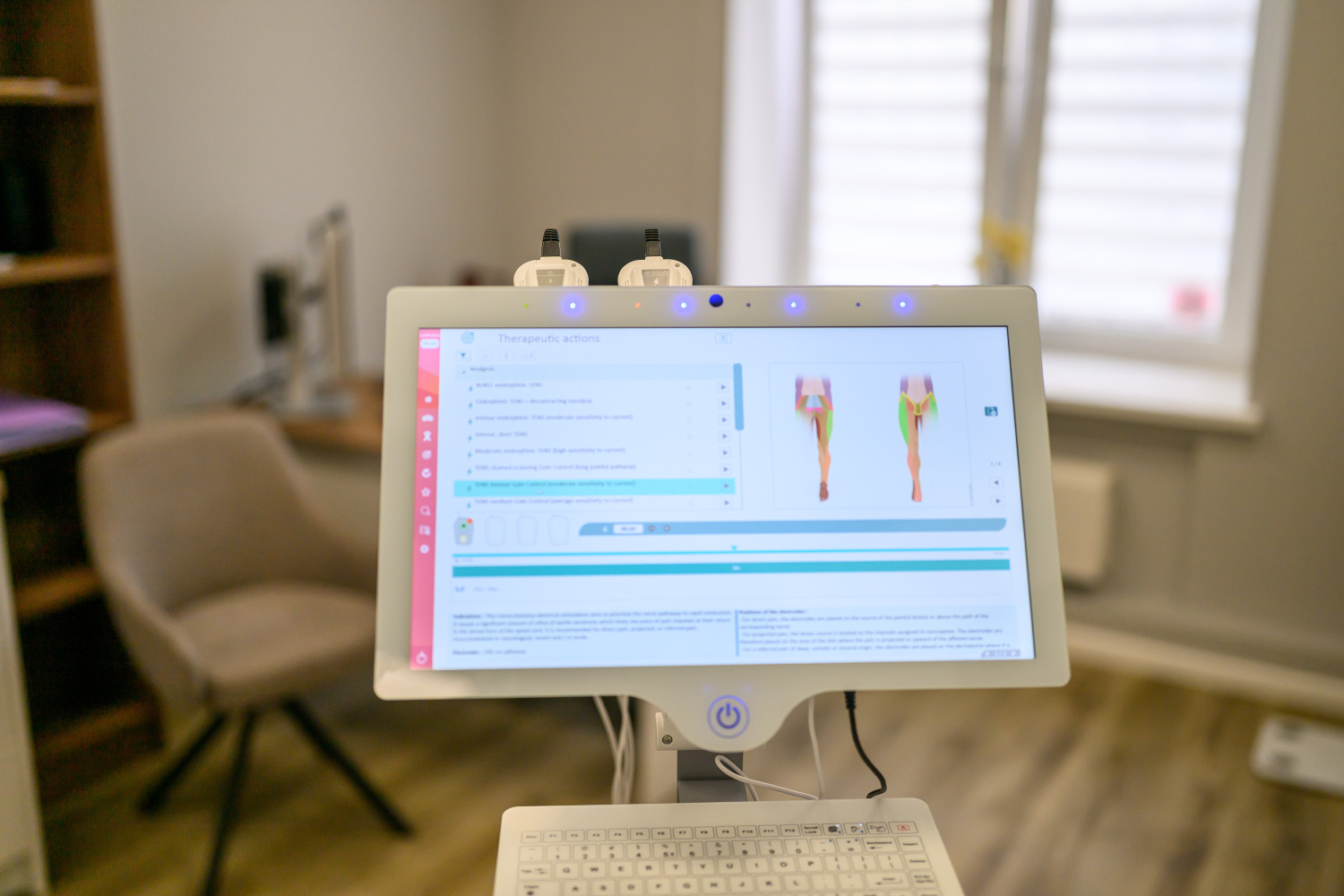
PHENIX Liberty combines biofeedback and neuromuscular electrical stimulation. This allows for the assessment of pelvic floor muscle activity, helps the patient learn proper muscle control, and creates an individually tailored rehabilitation program.

Depending on the type of urinary incontinence and the severity of symptoms, rehabilitation may be part of a complex treatment plan, together with medication therapy and bladder training. In certain cases of urinary incontinence in women, surgical treatment may also be recommended after evaluating treatment outcomes.


Individual approach - UroGin

Individual approach

Patient health and complaints are assessed individually.

Experienced specialists - UroGin

Experienced Specialist

Extensive experience in pelvic floor rehabilitation procedures.

Safety and quality - UroGin

Confidentiality

Rehabilitation is conducted with privacy and confidentiality.

In what cases might pelvic floor rehabilitation be necessary?


09-preventive-check-up

Urinary Incontinence in Women

Cases of urine leakage during various types of physical exertion, coughing, or sneezing, including incontinence caused by a sudden urge to urinate.

09-preventive-check-up

Urinary Incontinence in Men

Urinary incontinence and pelvic floor muscle dysfunction after prostate surgeries, in cases of neurological diseases, or diabetes mellitus.

09-preventive-check-up

Pelvic Floor Muscle Weakness

Reduced muscle strength, endurance, or the ability to correctly activate, control, and relax the pelvic floor muscles.

09-preventive-check-up

After Pregnancy and Childbirth

For restoring pelvic floor muscle function after childbirth, especially in cases of urinary incontinence or other dysfunctions. For restoring pelvic floor muscle function after childbirth, including in cases of urinary incontinence, perineal or pelvic pain, and other functional disorders.

Pelvic Floor Rehabilitation


03-pin

UroGin Clinic, Raiņa 26b, Daugavpils, LV-5401, Latvia

How does rehabilitation proceed?


10-consultation

Assessment of Complaints and Muscle Function

The doctor assesses the patient's complaints, health status, previous illnesses and surgeries, as well as pelvic floor muscle function to develop a rehabilitation plan.

11-examination

Biofeedback

During rehabilitation, an individual vaginal probe is used for women or an anal probe for men. It records pelvic floor muscle activity and helps the patient control muscle function during exercises.

13-further-treatment

Electrical Stimulation and Exercises

Neuromuscular electrical stimulation is combined with individually selected exercises. Under the guidance of a specialist, the patient learns to correctly activate, hold, and relax the pelvic floor muscles.

13-further-treatment

Evaluation of Results

During rehabilitation, changes in complaints and muscle function are evaluated. The program is adjusted according to the achieved results, and further precise treatment tactics are determined.
Pelvic floor rehabilitation in Daugavpils with PHENIX Liberty


Pelvic floor rehabilitation PHENIX LIBERTY - Urogin

Individually tailored therapy with biofeedback

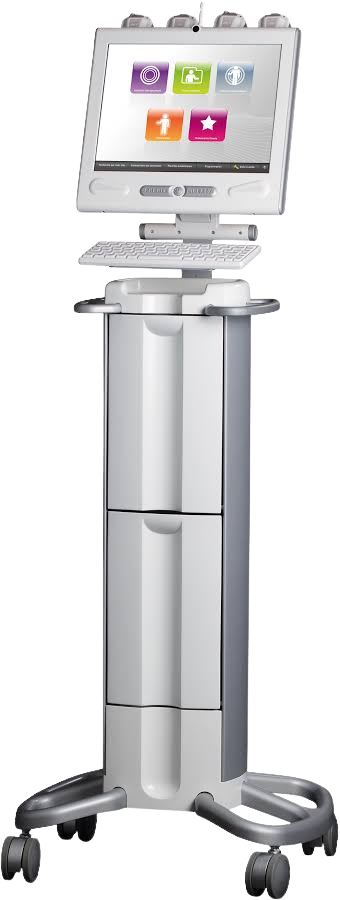
Urogin Clinic uses the PHENIX Liberty medical device for pelvic floor rehabilitation, which combines neuromuscular electrical stimulation and biofeedback. During therapy, it is possible to assess muscle activity, monitor movements, and purposefully train the pelvic floor muscles.

Biofeedback helps the patient better understand muscle function and actively participate in the rehabilitation process. Meanwhile, wireless technology allows some exercises to be performed not only at rest but also in motion and in various body positions.

Before starting therapy, a specialist assesses the patient’s complaints, health status, and rehabilitation goals. Based on the assessment results, the most appropriate program, procedure course, and required therapy duration are determined.

PHENIX Liberty therapy can be used for:

How many rehabilitation sessions are needed?


A rehabilitation course usually includes 10 sessions.

The exact number of sessions can be individually adjusted depending on the type of urinary incontinence, severity of symptoms, pelvic floor muscle function, and achieved treatment results.

How to prepare for a rehabilitation visit?


It is recommended to bring the following to the first visit:

Before starting rehabilitation, the doctor assesses the patient’s health condition and suitability for rehabilitation.

Frequently Asked Questions


Is a doctor's consultation necessary before rehabilitation?

Yes. Before starting rehabilitation, the doctor assesses the patient’s complaints, health condition, previous treatment, and determines whether pelvic floor rehabilitation is suitable for the specific situation.

During rehabilitation, an individual vaginal probe is used for women or an anal probe for men. It records pelvic floor muscle activity and performs neuromuscular electrical stimulation. Under the guidance of a specialist, the patient learns to correctly activate, hold, and relax the pelvic floor muscles.

During rehabilitation, an individual vaginal probe is used for women or an anal probe for men. It records pelvic floor muscle activity and performs neuromuscular electrical stimulation. Under the guidance of a specialist, the patient learns to correctly activate, hold, and relax the pelvic floor muscles.

Rehabilitation should not be painful. During electrical stimulation, a sensation of electrical impulses and muscle contraction is possible. The intensity of stimulation is adjusted individually.

Yes. To improve treatment outcomes, patients may be recommended individual pelvic floor muscle exercises for independent practice at home.

The result for each patient is individual and depends on the type of urinary incontinence, severity of symptoms, pelvic floor muscle function, and regular rehabilitation.

Yes. Before starting rehabilitation, the doctor assesses the patient’s health condition and possible limitations. At Urogin Clinic, rehabilitation with PHENIX Liberty is not performed for patients after pelvic radiation therapy. The doctor must be informed about pregnancy, current urinary tract or genital infections, and other significant health problems before rehabilitation.

Treatment results are evaluated comprehensively. If necessary, the rehabilitation program may be adjusted, medication therapy prescribed, additional examinations performed, or other treatments recommended. In certain cases of urinary incontinence in women, surgical treatment may also be recommended.

Scroll to Top
UroGin klīnika - logo
Privacy Overview

This website uses cookies so that we can provide you with the best user experience possible. Cookie information is stored in your browser and performs functions such as recognising you when you return to our website and helping our team to understand which sections of the website you find most interesting and useful.